
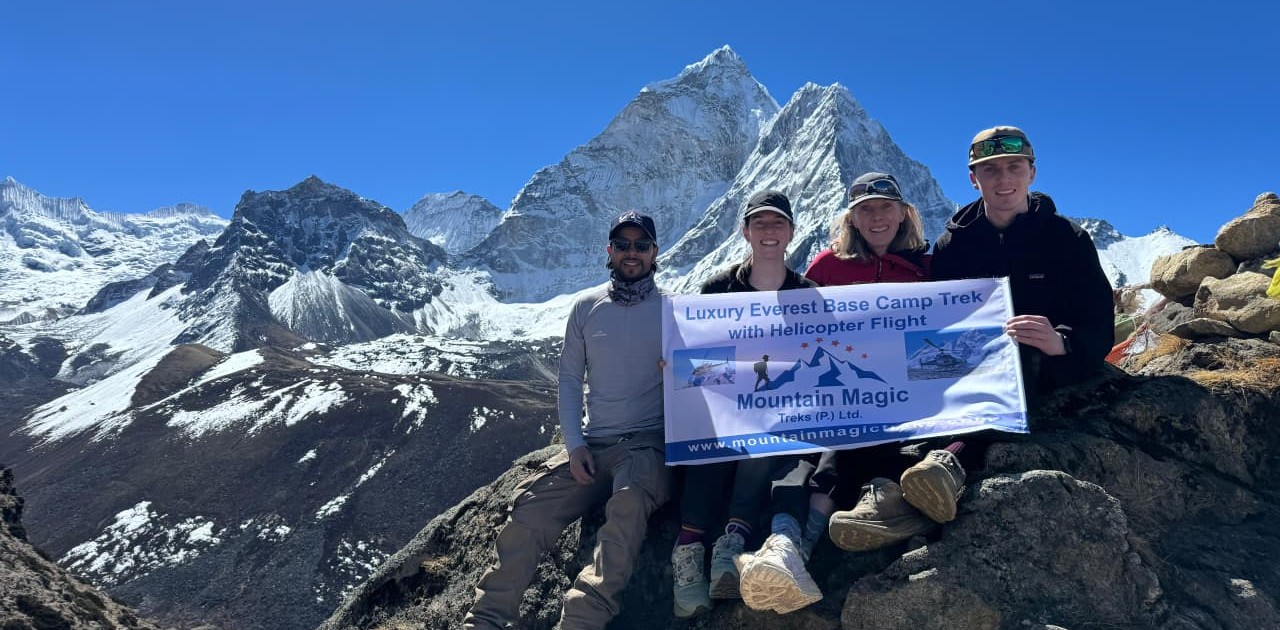
A long Himalayan journey becomes much more enjoyable when you know how to manage your comfort along the way. Small choices about clothing, food, walking pace, sleep, and daily habits can make a big difference.
The Everest Base Camp Trek with helicopter return gives you the chance to experience the famous Everest trail without walking the entire route back. With some practical preparation, you can focus more on the scenery and less on everyday discomfort.
Start Your Day Without Rushing
Mornings in the mountains can feel cold and quiet. It is easy to feel pressure to get ready quickly, especially when you know another long walking day is ahead.
Give yourself enough time to dress, organize your daypack, eat breakfast, and check your belongings.
A calm morning can help you begin the trail with a better mindset.
Keep Your Clothing Easy to Manage
Mountain temperatures can change throughout the day. You may feel cold when you leave your tea house but warmer after walking uphill for some time.
Layering makes this easier.
Choose Practical Layers
A simple clothing setup can include:
-
A comfortable base layer
-
A warm fleece or similar middle layer
-
A wind or waterproof outer layer
-
Warm socks
-
Gloves
-
A hat or beanie
The idea is to adjust your clothing instead of carrying one extremely heavy jacket everywhere.
Give Your Feet Regular Attention
Your feet experience the most direct stress during a trek. Ignoring small discomfort can lead to larger problems later.
Check your feet at the end of each day. If you notice rubbing or a developing blister, deal with it early.
Changing into dry socks after a long walking day can also feel surprisingly refreshing.
Make Breakfast Count
A good breakfast can give you useful energy before heading onto the trail.
Choose foods that you know your stomach handles well. You do not need to eat an unusually large meal, but skipping breakfast can make a demanding morning harder.
Keep a few simple snacks in your daypack for moments when you need extra energy.
Drink Before You Feel Very Thirsty
Cold mountain weather can make it easy to forget about drinking water.
Take regular small drinks throughout the day instead of waiting until you are extremely thirsty.
A reusable bottle makes it easier to keep track of your water and reduces unnecessary plastic waste.
Find a Walking Pace That Feels Natural
Different trekkers move at different speeds. Trying to match someone else’s pace can quickly use up your energy.
Choose a rhythm that allows you to keep moving without constantly feeling out of breath.
Use Breaks Wisely
Short breaks are useful, especially on uphill sections. Sit down, drink some water, have a snack if needed, and enjoy the surroundings.
You do not need to turn every break into a long stop. The goal is to recover enough to continue comfortably.
Protect Yourself From the Sun
The cool temperature can make the sun seem less intense than it really is.
Sunglasses help protect your eyes, while sunscreen and a hat can protect exposed skin.
Make sun protection part of your normal morning routine rather than something you remember only on bright days.
Make Your Tea House Stay Comfortable
After a long day outside, your tea house becomes your place to recover.
Keep your evening routine simple. Change into comfortable clothes, organize your belongings for the next morning, and give yourself time to relax.
Keep Essentials Nearby
Place important items where you can find them easily. A headlamp, water bottle, phone, charger, medicines, and warm clothing should not be buried at the bottom of your bag.
Good organization saves time and makes your mornings easier.
Be Careful With Your Energy at Higher Elevations
As you move higher, normal activities can require more effort. Walking, climbing stairs, or even carrying your bag may feel different.
This is not the time to push yourself just because you felt strong during the first few days.
The Everest Base Camp Trek with helicopter return should be approached with patience, especially during the higher sections.
Give Yourself Time to Enjoy the Trail
Comfort does not only mean physical comfort. Your mental approach also matters.
If you spend the entire trek thinking about how many hours are left, you may miss the experience happening around you.
Look at the villages, notice the changing landscape, talk with your group, and take short moments to appreciate where you are.
Keep Technology Simple
Your phone can be useful for photographs, communication, maps, and important information.
But you do not need to check it constantly.
Mountain trips can be a good opportunity to reduce screen time and pay more attention to the environment around you.
Understand the Return Flight
The helicopter return is one of the special features of this trekking experience.
After completing the walking portion, the helicopter provides a faster way to leave the Everest region while giving you an aerial view of the landscapes you explored.
However, weather and flight conditions can influence helicopter operations. Keep your schedule flexible and follow the advice of your trekking team.
Look Back From the Air
The return flight can change how you understand the journey.
Trails that once seemed long and challenging can look like thin lines across enormous valleys. Villages and mountain paths become part of one large landscape.
The Everest Base Camp Trek with helicopter return therefore ends with a perspective that you simply cannot get while walking.
Travel Responsibly
Comfort should never come at the expense of the environment.
Carry reusable water bottles, reduce single-use plastic, and keep your rubbish with you until it can be disposed of properly.
Respect local communities and religious places as well. Being a responsible traveler helps protect the region for future visitors.
Final Thoughts
The Everest Base Camp Trek with helicopter return can be physically demanding, but simple habits can make the experience much easier.
Wear comfortable layers, care for your feet, drink regularly, eat properly, protect yourself from the sun, and give your body enough time to recover.
Most importantly, do not let small inconveniences stop you from enjoying the journey. The mountains, villages, people, and changing views are what make the experience special. Prepare well, stay patient, and let each day become part of the adventure.
Frequently Asked Questions
Is the Everest Base Camp Trek with helicopter return comfortable for first-time trekkers?
It can be manageable for first-time trekkers who prepare properly and have reasonable fitness. The experience still involves long walking days and high altitude, so preparation is important.
How can I keep my feet comfortable?
Use well-fitted trekking shoes, wear suitable socks, and deal with rubbing or blisters as soon as you notice them.
Should I carry snacks?
Yes. Small snacks can be useful between meals, especially during longer walking sections.
Why is layering better than one heavy jacket?
Layering allows you to adjust your clothing as temperatures and activity levels change throughout the day.
Does the helicopter save time?
Yes, the helicopter return avoids walking the full route back toward the lower part of the Everest region. It also provides a different view of the landscape.
Can the helicopter flight be delayed?
Yes. Weather and flying conditions can affect helicopter operations. Travelers should be prepared for possible changes.
What is the best way to enjoy the trek?
Prepare properly, maintain a steady pace, stay flexible, and give yourself time to appreciate the scenery and local culture instead of focusing only on reaching the destination.