
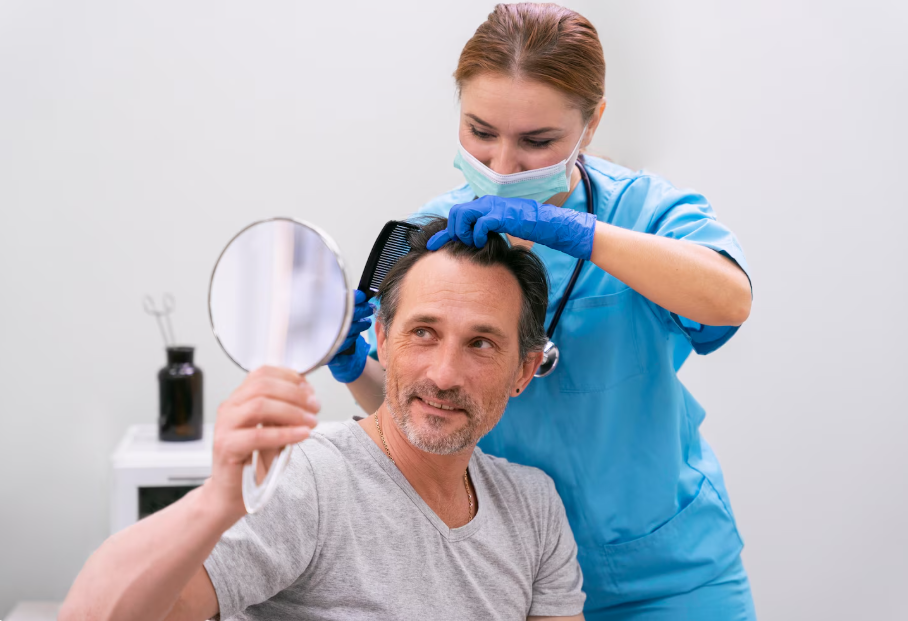
Hair loss is one of the most common aesthetic and medical concerns affecting both men and women. Factors such as genetics, hormonal imbalance, stress, nutritional deficiencies, and environmental exposure can accelerate thinning. While temporary solutions like topical serums may slow the process, modern regenerative treatments now offer scientifically backed methods for restoring hair density and strength. Many individuals experiencing progressive thinning begin their journey with professional hair fall treatment in Dubai to identify the underlying cause and receive personalized care.
Understanding the Root Cause of Hair Loss
Hair loss is rarely a one-dimensional issue. It can result from:
- Androgenetic alopecia
- Post-pregnancy hormonal shifts
- Thyroid imbalance
- Chronic stress
- Poor scalp circulation
A comprehensive consultation includes scalp analysis, blood work if necessary, and lifestyle assessment. Accurate diagnosis ensures targeted and effective treatment rather than generalized solutions.
Modern Non-Surgical Hair Regrowth Options
Early-stage hair thinning often responds well to regenerative therapies that stimulate dormant follicles. These treatments aim to:
- Improve blood circulation
- Reactivate weak follicles
- Strengthen hair shafts
- Reduce excessive shedding
Platelet-based therapies and growth factor stimulation have shown promising outcomes for patients seeking natural regrowth.
When Surgical Hair Restoration Is Needed
For advanced hair loss, surgical transplantation may provide more permanent density improvement. Individuals researching long-term restoration often consult the best hair transplant clinic in Dubai for advanced follicular extraction techniques.
Modern hair transplant procedures focus on natural hairline design and strategic follicle placement. This ensures the outcome blends seamlessly with existing hair and facial structure.
Precision and Natural Hairline Design
The success of hair transplantation depends heavily on:
- Donor area assessment
- Follicle survival rate
- Directional placement
- Density planning
A skilled surgical team evaluates facial proportions and age-related changes to design a hairline that appears natural both immediately and over time.
Recovery and Growth Timeline
Following transplantation, mild redness or swelling may occur but typically subsides within days. Newly implanted follicles enter a resting phase before regrowth begins, usually within three to four months. Full results gradually appear over 9–12 months.
Patients are advised to maintain scalp hygiene and follow post-procedure care instructions carefully to optimize outcomes.
Combining Regenerative and Surgical Treatments
In some cases, combining non-surgical therapies with transplantation enhances results. Regenerative treatments can strengthen surrounding hair and improve scalp health, supporting long-term density.
Emotional and Psychological Impact
Hair restoration often has a profound impact on confidence. Fuller hair can create a more youthful appearance and improve social comfort. Addressing hair thinning early prevents progression and reduces the need for more extensive correction later.
Final Thoughts
Hair restoration has advanced significantly beyond temporary camouflage solutions. With personalized diagnosis, regenerative therapy, and surgical precision when needed, individuals can achieve sustainable and natural-looking results. Early intervention and expert guidance
