
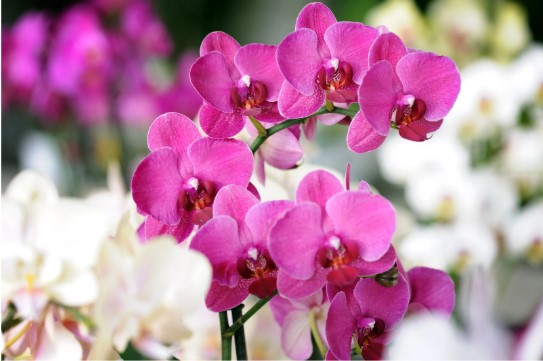
Orchids have long fascinated plant enthusiasts around the world. Among the vast variety of orchids, anggrek dendrobium stands out for its elegance and versatility. Native to Southeast Asia, this orchid species is cherished for its vibrant colors, delicate structure, and ease of cultivation, making it a favorite among both amateur and professional gardeners.
Unlike other orchids that require specific conditions to thrive, anggrek dendrobium is relatively adaptable. Its ability to bloom multiple times a year adds to its appeal, offering a continuous display of color that brightens any garden or indoor space.
Understanding the Different Varieties
The term anggrek dendrobium encompasses a large family of orchids. These can be broadly categorized based on their flowering habits and growth patterns. Some common types include:
- Compact Dendrobiums: These are smaller, ideal for indoor cultivation. They produce clusters of small, colorful flowers.
- Cane Dendrobiums: Known for their tall stems and larger blooms, these orchids are perfect for outdoor gardens where space is abundant.
- Hybrid Dendrobiums: Crossbreeding has resulted in varieties with unique colors and patterns, making them particularly desirable among collectors.
Understanding the type of anggrek dendrobium you are cultivating can help in providing the right care, ensuring optimal growth and vibrant blooms.
Optimal Growing Conditions
Anggrek dendrobium thrives in conditions that mimic its natural tropical habitat. Light, temperature, and humidity play crucial roles in its growth cycle. Here are some tips to help these orchids flourish:
- Lighting: Bright, indirect sunlight is ideal. Too much direct sunlight can scorch the leaves, while insufficient light may prevent blooming.
- Temperature: These orchids prefer moderate temperatures, ranging from 18°C to 30°C. Maintaining a stable environment is essential, especially during the flowering phase.
- Humidity: High humidity levels, around 50–70%, promote healthy growth. Mist the plant occasionally or place it near a humidity tray.
- Watering: Watering should be balanced. The roots should never sit in water, but the plant should not dry out completely either.
Providing these conditions can dramatically increase the lifespan and flowering potential of anggrek dendrobium.
Planting and Repotting Tips
When planting anggrek dendrobium, it is important to select the right medium. Many gardeners prefer bark, sphagnum moss, or a mix specifically designed for orchids. Good drainage is essential to prevent root rot.
Repotting is generally recommended every two to three years. This not only provides fresh nutrients but also encourages new growth. When repotting, handle the roots carefully and avoid compacting the medium, as air circulation is crucial for healthy development.
Flowering and Care
One of the most exciting aspects of growing anggrek dendrobium is witnessing its vibrant blooms. The flowering period varies depending on the species and environmental conditions, but typically occurs once or twice a year. To encourage blooming:
- Use a balanced orchid fertilizer during the growth phase.
- Reduce watering slightly when the plant is about to bloom.
- Ensure sufficient light and moderate temperature fluctuations.
After flowering, prune old flower spikes to redirect the plant’s energy toward new growth. This simple step can help maintain plant health and promote future blooms.
Common Challenges and Solutions
While anggrek dendrobium is relatively easy to care for, it can still face certain challenges:
- Pests: Aphids, mealybugs, and spider mites may affect the plant. Regular inspection and natural pest control methods can prevent infestations.
- Diseases: Fungal and bacterial infections can develop if the plant is overwatered or lacks airflow. Using sterilized tools and proper watering techniques minimizes risk.
- Leaf Yellowing: Often caused by overexposure to sunlight or nutrient imbalance. Adjust light and fertilization to restore healthy foliage.
Addressing these challenges promptly ensures that the orchid remains vibrant and healthy year-round.
Enhancing Your Indoor and Outdoor Spaces
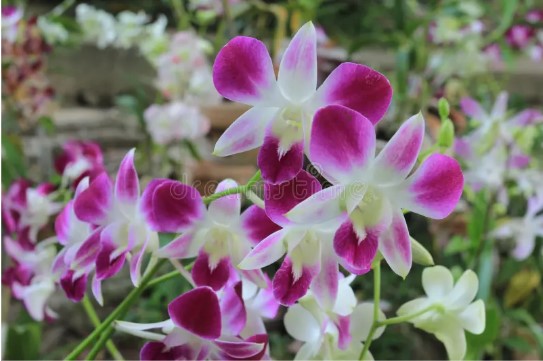
Anggrek dendrobium is not just a beautiful plant; it is also a versatile decorative element. Indoors, it can brighten living rooms, offices, and balconies with its striking blooms. Outdoors, these orchids create stunning displays in gardens, patios, and hanging baskets.
Moreover, anggrek dendrobium is often used in floral arrangements due to its long-lasting flowers and aesthetic appeal. Its elegance and diversity make it suitable for both traditional and contemporary décor styles.
Conclusion
The allure of anggrek dendrobium lies in its combination of beauty, resilience, and versatility. With proper care, these orchids can transform any space into a vibrant oasis, offering joy to plant lovers and casual observers alike. Whether you are a seasoned gardener or a beginner, cultivating anggrek dendrobium is a rewarding experience that celebrates the natural elegance of orchids.
