
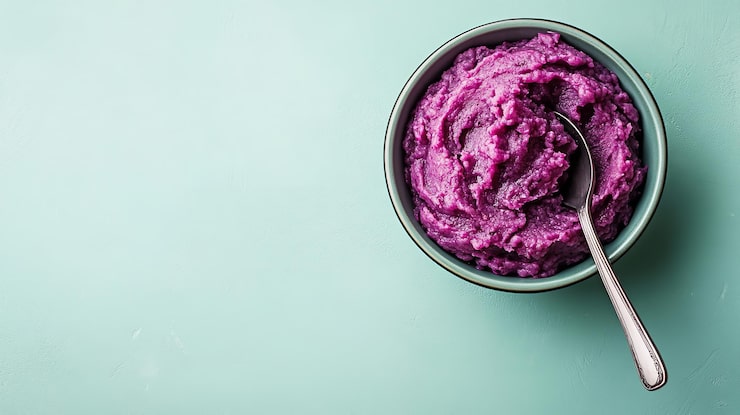
A deep violet hue that almost looks painted by hand, a flavour that sits somewhere between vanilla and pistachio, a texture that turns silky when cooked ube has quietly stepped into Australian kitchens with real substance behind the buzz. Many people first encounter it in desserts, then start wondering whether its appeal goes beyond colour. That curiosity makes sense. When a food stands out this strongly on the plate, it often carries interesting nutritional value as well. Ube, also known as purple yam, has been a staple in parts of Southeast Asia for generations. Now it is appearing in cafés, health stores and home pantries across Australia. If you are asking what ube actually does for your body, how it fits into a healthy lifestyle and how to use it properly, the answers deserve clarity. Let’s unpack its composition, its potential wellness support and the smartest ways to enjoy it without losing its natural qualities.
What exactly is ube and how is it different from other purple foods?
Ube refers to a purple yam species scientifically known as Dioscorea alata. It grows underground like a sweet potato, though the two are not identical. Its flesh ranges from lavender to deep violet, a colour created by naturally occurring anthocyanins. These are plant pigments also found in blueberries and red cabbage. That intense shade often leads to confusion with purple sweet potato or taro. Texture and taste set it apart. Ube develops a smooth, almost creamy consistency once cooked, while maintaining a mildly nutty sweetness that feels balanced rather than sugary. In Australia, interest in ube has expanded through multicultural cuisine and wellness-focused communities. People looking for alternatives to refined carbohydrates or artificial colourings are drawn to it. Unlike artificially dyed desserts, the purple colour of ube is entirely natural. That fact alone gives it an edge in kitchens aiming for whole-food ingredients.
Its carbohydrate profile resembles other root vegetables, though its antioxidant density tends to be higher because of its pigment concentration. Fibre content also supports digestive comfort. Compared with white potatoes, ube offers more phytonutrients. Compared with sweet potatoes, it carries a slightly different micronutrient balance, including modest levels of vitamin C, potassium and certain B vitamins. From a culinary standpoint, ube acts like a bridge between indulgence and nourishment. It behaves well in both savoury and sweet dishes. That flexibility explains why Australian chefs experiment with it in baked goods, smoothies and even pasta dough. Its colour works like a natural spotlight on a plate, drawing attention without artificial additives.
Does ube offer real health benefits?
Many people searching for information on ube want straightforward answers about health impact. The most relevant aspect lies in its antioxidant profile. Anthocyanins help neutralise free radicals in the body. Free radicals form through normal metabolism, stress, pollution and sun exposure. When they accumulate, oxidative stress increases. A diet rich in colourful plant foods contributes to antioxidant defence, which supports overall cellular resilience. Ube also contains dietary fibre. Fibre plays a central role in digestive regulation. It supports gut motility, contributes to satiety and assists in maintaining balanced blood sugar responses when consumed as part of a meal. Fibre-rich foods tend to slow carbohydrate absorption, which can help stabilise energy levels throughout the day.
Another point of interest is its natural carbohydrate structure. Ube provides energy in a whole-food format rather than as refined sugar. That makes it suitable for people wanting sustained fuel without relying on processed ingredients. When prepared with minimal added sugar or fats, it integrates well into balanced eating patterns. For Australians seeking high-quality sources, fresh and responsibly sourced ube can be found through specialised suppliers focused on organic growing practices. Choosing produce grown without synthetic inputs may further align with individuals who prioritise clean eating and environmental responsibility.
Micronutrient-wise, ube supplies potassium, which contributes to normal muscle function and fluid balance. It contains small amounts of vitamin C, supporting immune health, along with trace minerals that play supportive roles in metabolic pathways. While it should not be treated as a miracle ingredient, it complements a varied diet rich in vegetables, legumes and whole grains. Think of ube less as a magic fix and more as a steady contributor like a reliable team member in a balanced meal plan. Its benefits become meaningful when combined with broader healthy habits such as regular movement, adequate hydration and diverse plant intake.
Is ube suitable for weight management?
Weight management depends on total energy balance and food quality. Ube can fit comfortably within a structured approach because of its fibre content and moderate glycaemic impact when eaten in whole form. Boiled or steamed ube tends to have a gentler effect on blood sugar compared with refined desserts made from it. Portion control remains key. Traditional ube desserts often include condensed milk or added sugar, which shifts the nutritional profile significantly. If weight management is a priority, preparing ube in savoury dishes or lightly sweetened recipes preserves its natural qualities.
Its texture also contributes to satiety. Creamy consistency can create a sense of indulgence without excessive fat. This makes it a smart base for smoothies or breakfast bowls when paired with protein sources such as Greek yoghurt or nuts. Here are common forms available in Australia:
-
Fresh roots
-
Frozen purée
-
Powder
-
Extract
Fresh roots retain the highest nutritional integrity. Powdered forms may concentrate flavour though sometimes lose fibre. Extract often focuses on aroma rather than whole-food value. When integrated thoughtfully, ube supports balanced eating rather than sabotaging it. The key lies in preparation style, portion awareness and pairing with nutrient-dense foods.
How to cook ube without losing nutrients?
Cooking method influences nutritional retention. Steaming tends to preserve more water-soluble nutrients compared with prolonged boiling. Baking also works well, especially when wrapped to maintain moisture. Overcooking can dull its colour and slightly reduce vitamin content.
Simple preparation for everyday meals
Start by peeling the outer skin, which can be slightly tough. Slice evenly to promote uniform cooking. Steam for around 20 to 30 minutes until fork-tender. Once softened, mash with a splash of coconut milk or olive oil for a creamy side dish. That base pairs well with grilled fish or roasted vegetables, aligning with typical Australian dinner patterns. For breakfast, blend cooked ube into oats. Its natural sweetness reduces the need for added sugar. Combined with chia seeds and fresh berries, it creates a fibre-rich start to the day. Texture remains smooth, almost custard-like, making it appealing even for those new to root vegetables.
Creative dessert options with balance
Desserts do not need to compromise nutrition. Replace part of refined flour in muffins with mashed ube to add moisture and colour. Use maple syrup sparingly. Ube’s flavour profile reduces reliance on heavy frosting. In homemade ice cream, mix ube purée with coconut milk and limit added sweeteners. The result delivers visual impact without overwhelming sugar content. Treat ube like a blank canvas. Its mild taste absorbs spices such as cinnamon or vanilla, opening space for experimentation without drifting into artificial flavouring.
Where does ube fit in an Australian lifestyle?
Australian diets increasingly value diversity. Multicultural influences shape supermarket shelves and café menus. Ube aligns with this openness while meeting interest in antioxidant-rich produce. It slots easily into plant-forward eating patterns, weekend brunch culture and even fitness-focused meal prep.
Local growers exploring tropical crops may expand supply in warmer regions. Until then, imported organic options remain accessible through specialty outlets. As awareness grows, ube could become as familiar as sweet potato. The purple tone symbolises vitality on the plate. Much like a sunset over Bondi, its colour captures attention instantly. That visual appeal encourages consumption of vegetables among children and adults alike, supporting broader nutritional goals.
Final thoughts on adding ube to your routine
Ube brings together flavour, colour and nutritional interest in a way that feels both comforting and distinctive. It supports antioxidant intake, contributes fibre and adapts to countless recipes without artificial enhancement. When prepared thoughtfully, it fits naturally into an Australian diet focused on balance and whole foods. If you enjoy exploring ingredients that nourish as well as delight, ube deserves a place in your kitchen. Experiment with simple preparations, observe how your body responds and allow its vibrant presence to elevate everyday meals.